
A lot of planning and expertise go into ensuring a franchise is successful. One key factor is location – franchisors refer to this as the franchise territory. Understanding how territories work is essential for franchisees, as it will have a direct impact on revenue goals and long-term viability.
What are Franchise Territories?
A franchise territory is the geographic location in which you are legally allowed to operate your franchise business. As a franchisee, your territory will be outlined in the franchise agreement, defining the borders of the area in which you are permitted to trade under the franchise’s trademarks.
There are several types of franchise territory – some will offer more protection and exclusivity than others. Again, this will be thoroughly outlined in the franchise agreement.
What is Franchise Territory Mapping?
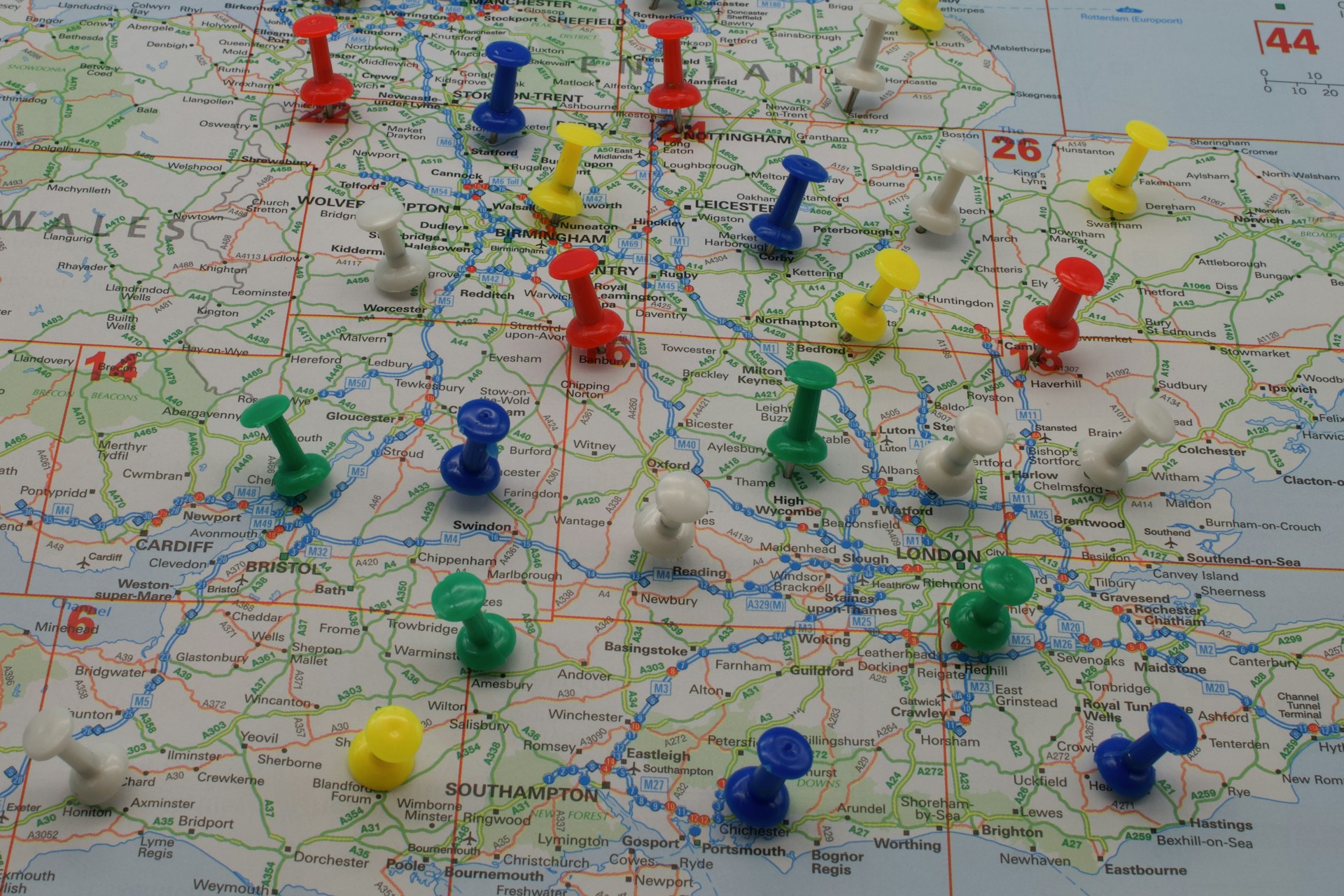
This is the process of identifying where franchise territories should be to ensure profitability. Successful territory mapping helps franchises avoid oversaturation and direct competition between franchisees under the same parent brand. Often, specialised software is used to map and analyse demographic data, consumer behaviour, footfall projections, historical data and other geographic features that may come into play.
Understanding the market potential of each territory helps franchisors not only define their borders but also more effectively allocate resources within the overall system. This is particularly important in industries that rely on geographical location and customer proximity, such as retail, fast food and coffee franchises, along with home services and estate agents.
Why Are Defined Franchise Territories Important?
There are a few key reasons why it's so important that franchisors properly define and allocate territories.
Protection From Internal Competition
Exclusive and protected territories prevent market cannibalisation and direct competition from other franchisees under the same brand. This gives franchisees the stability to develop their own customer base without having to worry about competing for those same customers from another too-close franchise.
Ultimately, well-defined territories can help prevent over-saturation and unequal distribution of revenue or business success for franchises serving the same area.
Prevent Conflicts
Similarly, setting out defined territories from the very start removes the potential for conflict between franchisees. Franchisees understand where they can operate and market themselves, and what the expectations are regarding other franchises operating in neighbouring territories.
Build a Brand Presence in Optimal Locations
Territories also play a vital role in the franchise’s growth potential. Using demographic analysis and strategic territory mapping is key when looking to expand the brand into the best locations possible.
Franchisors can use their understanding of territories to systematically expand the footprint of the brand and offer franchisees the opportunity to develop into new territories.
More Focused Operational & Marketing Efforts
Clear franchise boundaries allow franchisors to provide more operational, logistical and marketing support. Resources can be focused more effectively, ensuring that franchisors can help set franchisees up for success in the local, defined location, rather than being spread over a large, more disorganised area.

Types of Franchise Territories
The rights around different territory types can vary.
Exclusive: This gives franchisees the sole right to operate within a defined territory. They will be the only franchisee from the brand allowed to trade here, preventing other franchisees or franchisor-run stores from encroaching on the area.
Protected: A middle ground between exclusive and non-exclusive, protected territories often protect against internal competition from other franchisees but may include some exceptions that total exclusivity doesn’t. For instance, it may allow franchisors to sell in captive markets.
Non-exclusive: This kind of territory means that you may face competition from other franchisees of the same brand in the same area. Here, you get less protection but might be awarded lower fees and greater flexibility, along with the potential boost of increased brand recognition that comes with a broader store presence.
The kind of territory you end up with will largely depend on what your chosen franchise is equipped to offer. Some franchisors may be willing to negotiate territory terms, but again, this will depend on their structure, expectations and your experience as a franchisee.
Can You Operate in Multiple Franchise Territories?
Yes, with the right franchisor and track record, franchisees can operate within multiple territories, often through multi-unit franchising. This provides franchisees with the opportunity to scale their business and build on the success they’ve found within one territory.

If you’re interested in becoming a franchisee but haven’t quite settled on your niche yet, why not consider a coffee shop franchise? We’re currently looking for keen entrepreneurs to head up new Esquires Coffee locations and would love to hear from you.
Whether you want to chat more about territory options or learn more about the support we can offer, please make your application below.