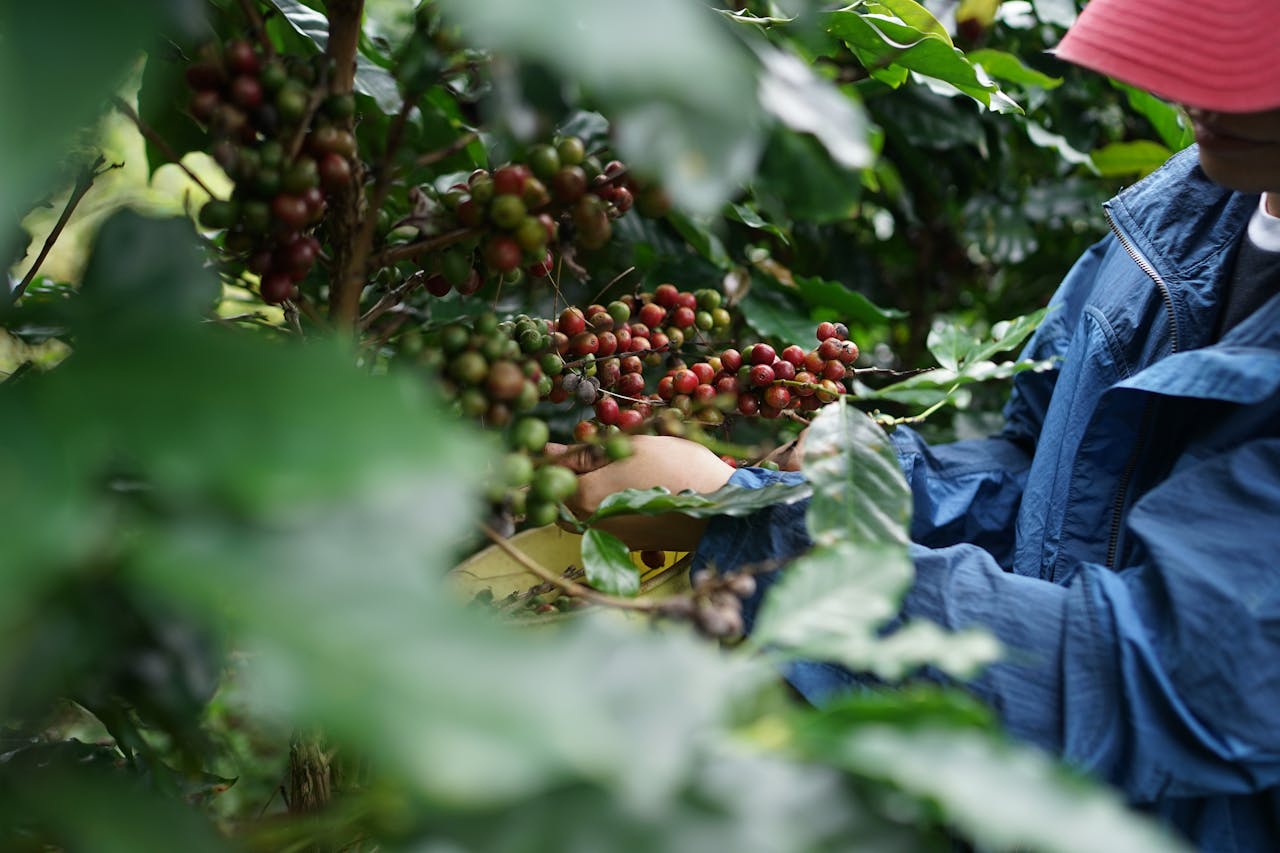
Over the past few decades, the coffee industry has seen a shift towards more conscious consumerism. Increasingly, consumers are interested not just in the taste of their coffee, but in its origins and the conditions under which it was produced – where has it come from, who has grown it, and, most importantly, have they been compensated fairly?
‘Ethically sourced’ is a label coffee lovers are seeing more and more of, but what does this actually mean?
What Does Ethically Sourced Coffee Mean?
At its core, ethical coffee sourcing is about prioritising people and the planet. Ethically sourced coffee is coffee that has been bought at a fair price from farms that have safe working conditions and access to sustainable farming methods that help protect the environment for generations to come.
Ethical sourcing aims to create a more equitable supply chain, where the people who produce the coffee are paid fairly and able to invest in the future of their businesses and communities.
Fair Compensation
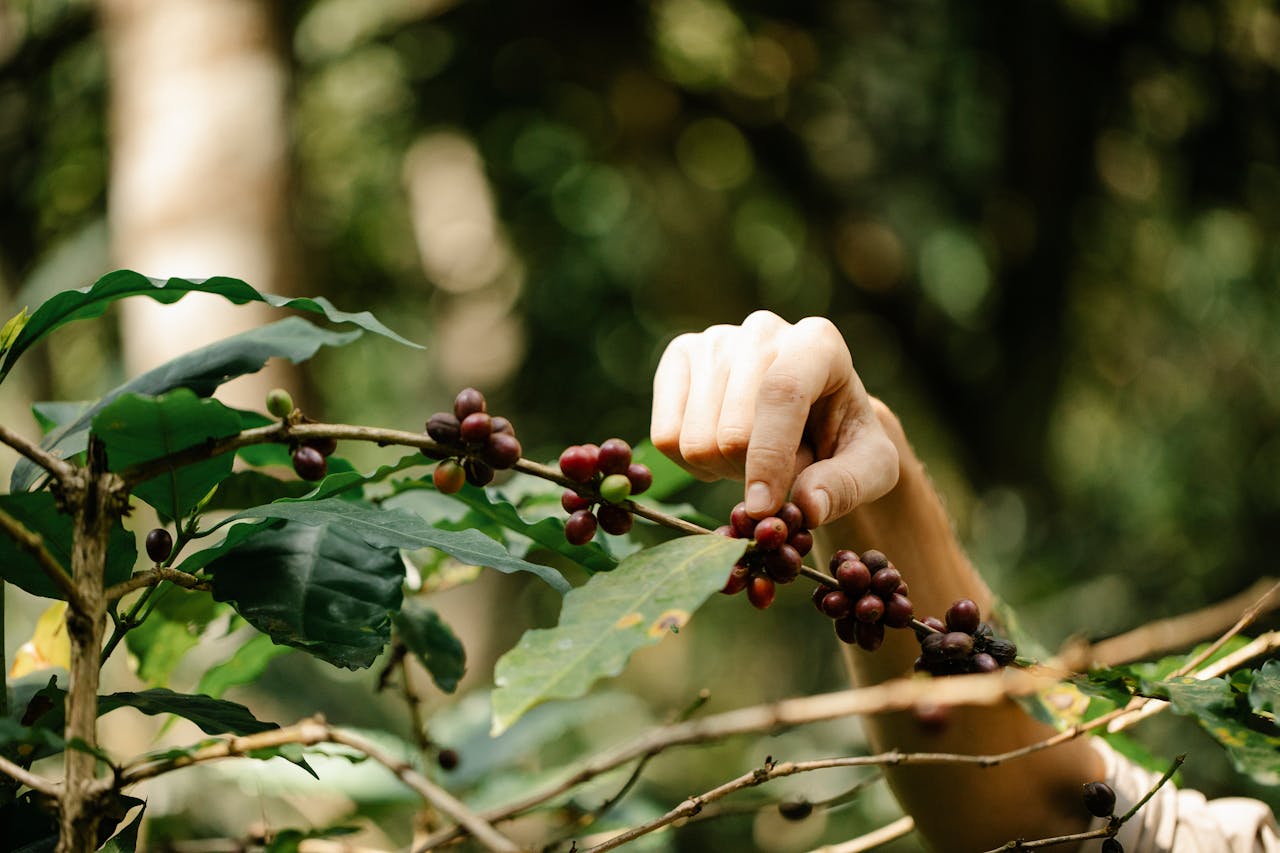
Historically, coffee farmers have been exploited and underpaid for their labour and produce. Ethical coffee is coffee that has been paid for at fair and competitive rates. Fairtrade sets a minimum price for what is considered ‘fair’, which provides financial stability in a volatile market. Many ethical coffee companies will even exceed this minimum price, paying a premium for coffee they know their customers will love while supporting those who supply it.
Fairtrade Vs Direct Trade
Fairtrade is a nonprofit organisation that’s often used as one of the markers of ethically sourced products – these days, many people see a Fairtrade certification as the bare minimum for ethical business practices. Fairtrade aims to uphold fair wages and good working conditions, also helping to invest in community projects that promote economic stability and social equity.
On the other hand, direct trade skips the certification and relies on the cultivation of a direct relationship between the coffee farmers and the buyer. This level of transparency means buyers know exactly how much the farmers are being paid and can ensure they are supporting them directly with fair prices. Direct trade tends to have more of a focus on higher quality, which farmers are rewarded for.
Farmers who use direct trade typically end up being paid slightly more because there is more opportunity to negotiate, but the lack of third-party certification means transparency and minimum prices must be self-regulated by the roasters/buyers. Both models have their strengths and play an important role in the ethical coffee landscape.
Environmental Considerations & Sustainable Practices
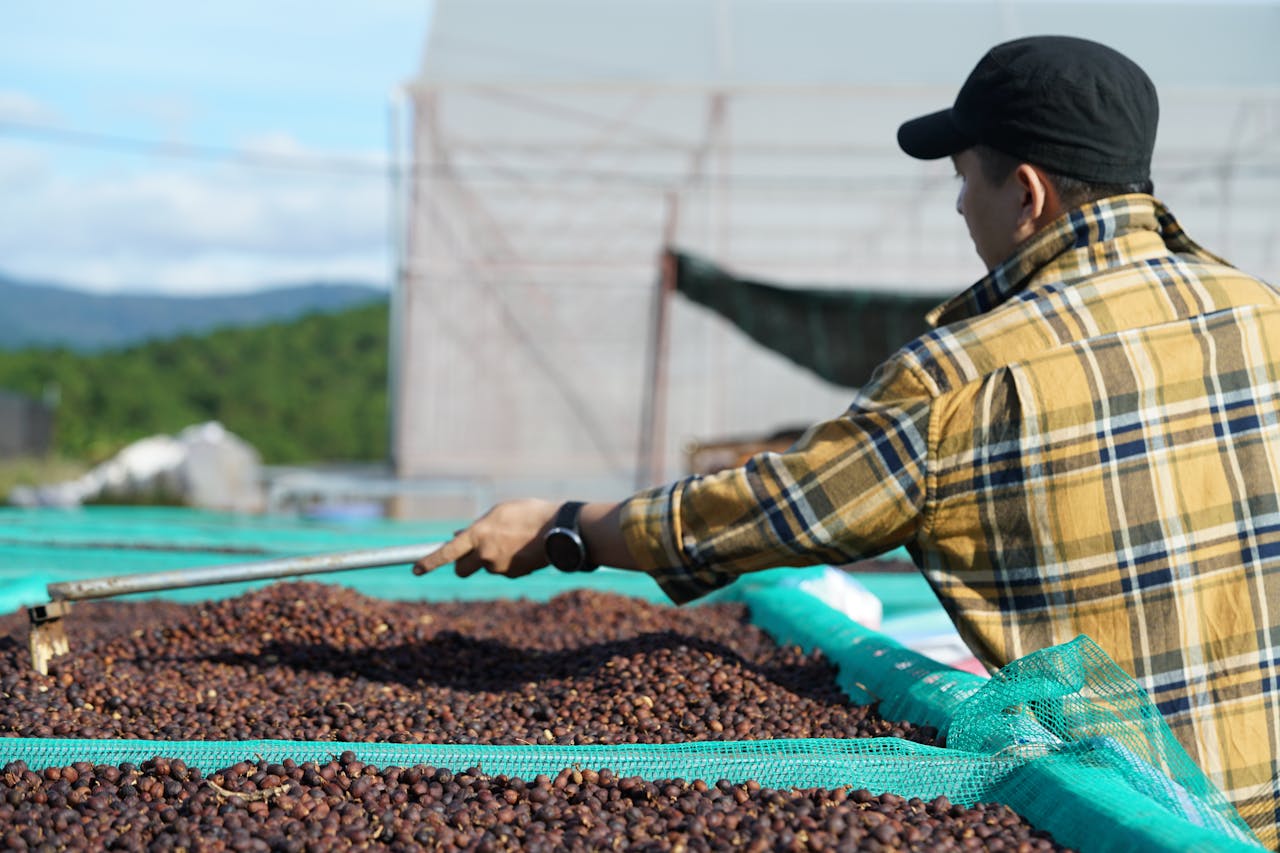
One side of ethical sourcing focuses on people, while the other focuses on the planet. Irresponsible coffee farming can have a detrimental effect on the environment, contributing to deforestation, soil degradation, water pollution and biodiversity loss – all things that harm the delicate natural ecosystem, taking decades to recover.
Ethical coffee supports more sustainable farming methods designed to protect natural resources and maintain long-term ecological balance.
Agroforestry & Shade-Grown Coffee
Agroforestry involves growing coffee under a canopy of trees, replicating natural forest conditions. This approach helps preserve habitats, supports biodiversity and improves soil health by reducing erosion and maintaining moisture levels. Shade-grown coffee systems also provide shelter for wildlife and contribute to more resilient farming ecosystems.
Reducing Chemical Usage
Sustainable coffee farming also emphasises organic practices that limit or eliminate the use of synthetic pesticides and fertilisers. Reducing heavy chemical reliance helps prevent soil degradation and water contamination, while protecting surrounding ecosystems and supporting healthier long-term land use.
Ethical Coffee Certifications
But how do you know you are buying ethically sourced coffee? There are a few key certifications to look for that indicate higher levels of transparency and responsibility.
Fairtrade – shows coffee farmers have been paid a fair wage and that they receive the Fairtrade Minimum Price, which offers protection when global market prices fluctuate.
Rainforest Alliance – this indicates that coffee has been grown sustainably, with a focus on promoting more eco-friendly farming methods that support farmers and their land.
Organic - certified organic coffee is coffee that has been grown without the use of synthetic pesticides or fertilisers, which helps prevent soil and water pollution and promotes a healthier ecosystem.

Certifications like this, as well as being open and honest about where their coffee comes from, can provide good insight into how ethical a coffee company actually is.
Is Esquires Coffee Ethically Sourced?
Yes! We are proud to work with various coffee cooperatives around the world to source ethical coffee for our stores. We work closely with our suppliers to help ensure the well-being of farming communities and the protection of their natural resources.
You can read more about our ethos to see how it shapes our coffee shops and business practices.
Interested in becoming part of an ethical coffee franchise in the UK? We are always on the lookout for prospective franchisees who share our values and passion for outstanding coffee experiences. Take a look at our brand brochure to find out more about how we work!