

With personal coffee machines becoming more accessible to the everyday coffee consumer, there are now more ways than ever to enjoy barista-level coffee at home. But which home brewing method is best? We consider the differences between coffee pods and ground coffee to help you determine which may be better for your routine and preferences.
Convenience
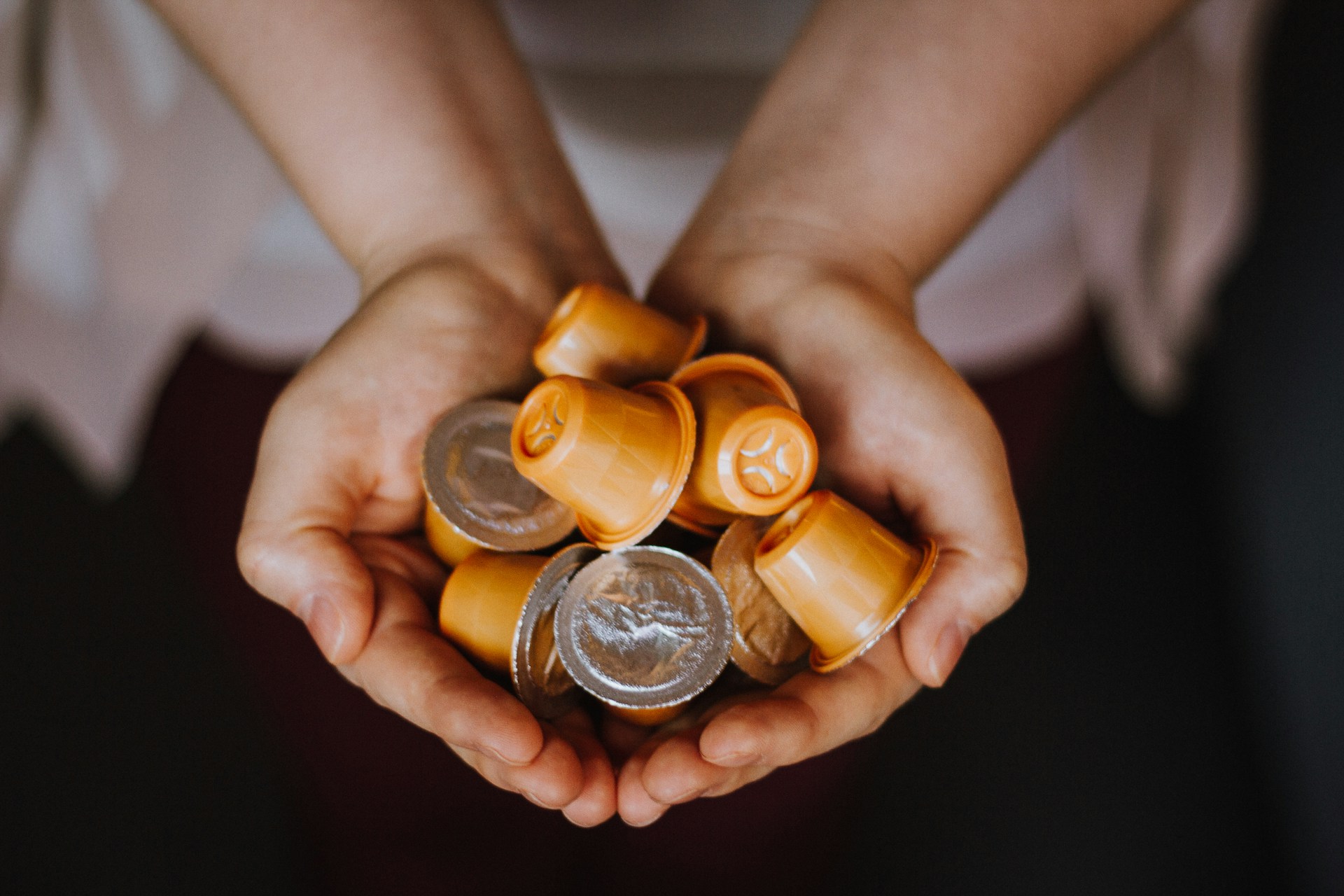
Coffee pods were created to make the at-home coffee experience quicker and easier, so it's no surprise that one of their primary benefits is convenience. Coffee pods or capsules are pre-packaged single coffee servings that are fitted into their compatible machine, where high-pressure water is forced through the grounds in the pods – kind of like a traditional espresso machine.
This essentially means your coffee is prepared at the touch of a button, with no effort or extra cleaning required, ideal if you’re a busy-morning-fueled-by-caffeine kind of person.
On the other hand, using loose coffee grounds can be more laborious. Brewing coffee grounds with the help of a French press, moka pot or filter requires a few extra steps than simply loading a pod into a machine and letting it automatically do its thing. However, for many people, the slightly more time-intensive process is all part of the ritual of the coffee experience, giving you time and space to craft your perfect cup.
Equipment
Another key difference is the equipment you’ll need. Coffee pods only require the machine, but you must use compatible pods with your specific machine. Not every coffee pod you come across will work with your capsule coffee machine.
Coffee grounds are, of course, less picky and can generally be used with your manual brewing method of choice. Manual methods like French presses, Aeropress, moka pots or filters are pretty simple pieces of kit and fairly easy to use, even if they don’t just work at the touch of a button. If you’re buying whole beans rather than pre-ground, you will also need a coffee grinder, which can range from simple hand grinders to high-tech automatic ones.
Flavour & Quality
While coffee pods offer a consistent level of quality and experience, they can often have less complexity than fresh grounds. When you use coffee grounds, you can choose specific roasts, origins and grind sizes, allowing for a customised cup that is tailored to all your preferences.
With coffee pods, you get what you get in the pod – which can be a pro or a con depending on whether you just want to trust the experts and enjoy the pre-packaged blend or would rather be more selective.
Coffee purists will swear by the superior flavour of fresh coffee grounds, while coffee pods might be preferable for people looking to enjoy different flavours easily (i.e. vanilla, caramel or hazelnut), something made simple with the variety of pods available.

Cost
For many, the key consideration in deciding whether to go all in on coffee pods or coffee grounds is cost. Costing anywhere between 35p and £1 per cup (depending on the brand), coffee pods are certainly more expensive than a mug made with grounds, which will generally cost you around 15-35p.
Along with the coffee itself, the equipment you’ll need to use coffee pods will also have a higher upfront cost. Even the cheaper branded options tend to run at about £100, whereas a basic manual brewing kit can cost as little as £10.
With more working parts, there’s also more that can go wrong with a coffee pod machine than with a simple French press, so you may end up having to purchase replacement parts if things go wrong.
Environmental Impact
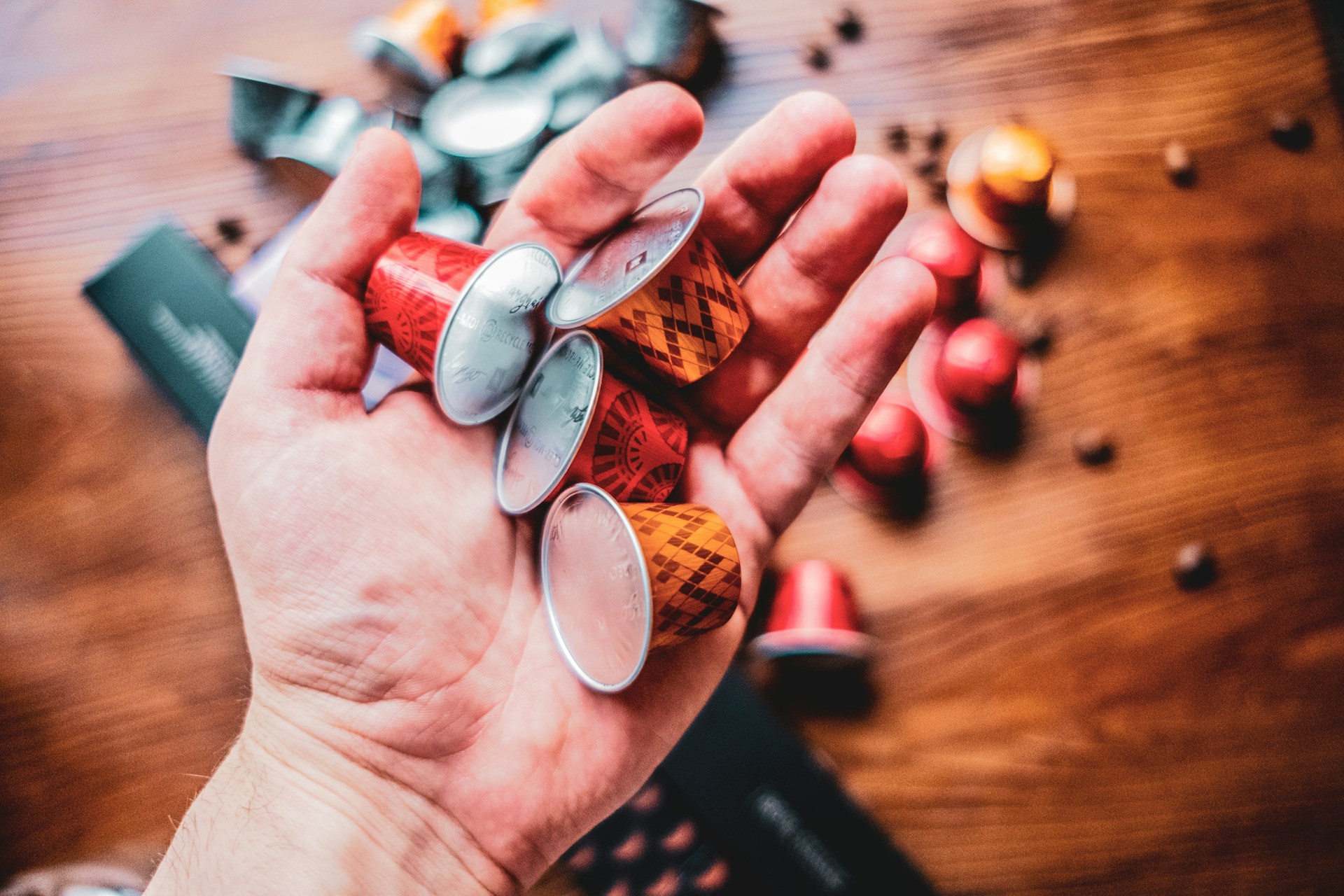
Another significant deciding factor is the level of waste produced and the subsequent environmental impact. Most coffee pods are made from aluminium and plastic, producing an unavoidable element of waste every time you make a drink. While many are technically recyclable, the pods usually have to be sent off to specific recycling services and cannot be recycled via your usual kerbside pickup.
For coffee grounds, the only non-compostable waste produced is the bag the beans or grounds come in. As these bags contain many more cups' worth of coffee than a single plastic pod, this allows for significantly less waste per drink. Some brands also ensure that their bags are recyclable or compostable to cut down on waste.
As a way to combat the waste produced by coffee pods, some brands are starting to make reusable coffee pods for certain machines, which offer a similar experience to the traditional single-use pods but trade off some of their convenience for increased sustainability.
Pros of Coffee Pods
- Convenient, quick and easy to use
- Consistent quality
- Minimal cleaning
Cons of Coffee Pods
- Increased levels of waste to potentially end up in landfills
- More expensive
- Limited customisation
- Must use the right pods with the right machine

Pros of Coffee Grounds
- More complex flavours
- Ability to customise and grind own beans
- Cheaper
- Less waste
- Ability to use with different manual brewing methods
Cons of Coffee Grounds
- Requires more time-consuming methods
- More cleanup
- More skill to get it right
Which is Better?
The answer to this is: it depends on what you prefer.
Choose coffee pods if you like the idea of super quick, convenient and consistent coffee.
Choose coffee grounds if you enjoy the coffee-making process and are keen for a more sustainable option.
As an ethical coffee franchise, we’d always recommend making the sustainable decision where possible. To find out more about our coffee, freshly prepared by expert baristas in each of our stores, please see our ethos below.