With warming spices and creamy milk, there aren’t many drinks more comforting than the sumptuous chai latte. But what exactly is this popular coffee shop drink and where did it come from?
What is Chai?
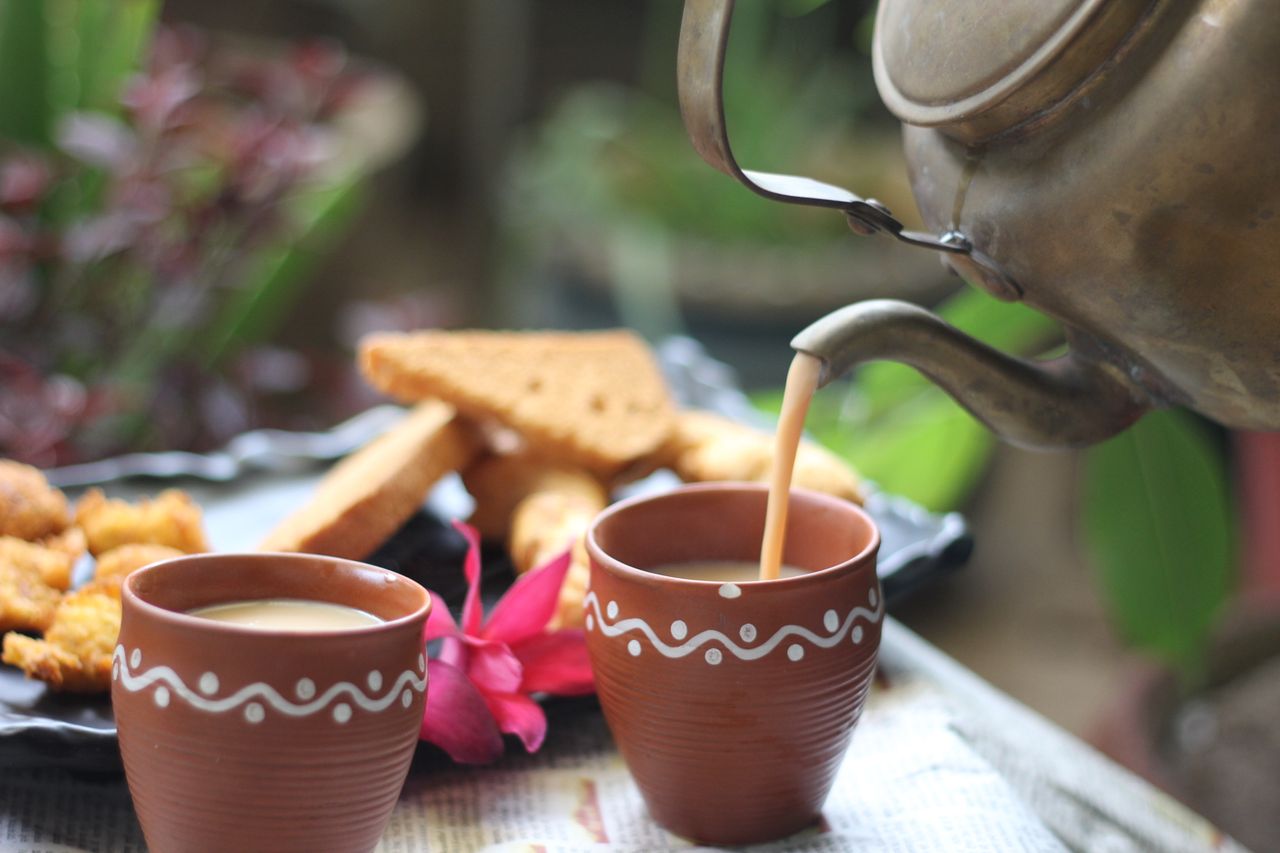
Chai simply means ‘tea’ in Hindi, so it can refer to a variety of drinks. In the UK, the word chai has come to refer to a specific kind of Indian tea: masala chai, or ‘spiced tea’.
Masala chai is a traditional Indian tea with origins spanning back thousands of years. It is made from a black tea (usually Assam) combined with various spices. There is no single way to make masala chai; the exact mix of spices can vary depending on the recipe, region, household or personal preference, but common additions may include:
- Cardamom
- Cinnamon
- Ginger
- Cloves
- Black peppercorns
- Star Anise
- Fennel Seeds
The tea and spices (whole spices rather than ground) are simmered in milk or water with the addition of milk afterwards and sweetened to taste to create the ultimate comfort drink.
What is a Chai Tea Latte?
A chai tea latte is slightly different from traditional masala chai – it is the Western coffee shop version of the drink. Chai in this form is usually made with a powdered or syrup version of concentrated masala chai, which is combined with steamed milk.
As a result, chai lattes tend to be sweeter and milder than the more robust, complex flavours of brewed masala chai.
What Does a Chai Latte Taste Like?
A chai tea latte is spicy and warming. The steamed milk content also makes the drink creamy and sweet. It is often a popular coffee shop order during autumn, as flavour preferences start leaning towards cinnamon, but it can be enjoyed at any time of year.
Most coffee shops will also offer iced chai lattes, which provide the same spicy blend but served chilled over ice.

Is There Caffeine in a Chai Latte?
As chai is made with black tea leaves, it will contain caffeine – usually around 25-50 mg per cup, although this obviously depends on the size of the cup and exact amount of tea used.
To put this into context, the average cup of coffee may contain around 90 mg of caffeine while a typical cup of matcha may contain around 38-88 mg of caffeine.
A chai latte made with powder or syrup will likely contain less caffeine than chai that is freshly brewed with tea leaves.
Does a Chai Latte Have Coffee in it?
While the word ‘latte’ has become synonymous with coffee in the UK, it actually just means ‘milk’ in Italian, so the word latte alone doesn’t actually denote the presence of coffee – a caffè latte (coffee and milk) is the real name for what UK coffee shop goers might call a latte.
So, no, a regular chai latte does not have any coffee in it.
What is a Dirty Chai Latte?
However, when you order a ‘dirty chai’, you will get coffee in your drink. A dirty chai latte is simply a standard chai latte with a shot of espresso. The espresso adds an extra kick of caffeine and a hint of coffee flavour that blends wonderfully with the warming masala chai spices.
Is Chai Latte Good For You?
Drinking tea can have many benefits. Masala chai in particular, because it offers all the other benefits of the different spices used too.
Black tea itself is rich in antioxidants and is thought to help support gut health, heart health, and reduce blood pressure. The different spices have traditionally been used to help with digestion and to offer anti-inflammatory properties.
While this all sounds great, these benefits can be undercut if the drink contains a lot of sugar. A chai latte you get from a coffee shop will likely have a much higher sugar content than traditional masala chai. This is because it may be made with lots of sugary syrups or premixed powders.
So, if you want the health benefits of chai, it may be better to enjoy traditionally-made masala chai with a dash of milk. This is not to say that coffee shop chai lattes are a no-go – like all the best things, it’s just about moderation!
Can You Have a Non-dairy Chai Latte?
Yes! Plant-based milks work just as well as cow’s milk, and most modern coffee shops will offer a selection to choose from. Oat milk generally works best as it has quite a neutral flavour and creamy texture. Almond and soy milk are other good options.
Keen to try for yourself? Why not visit your local Esquire's coffee shop franchise to enjoy an expertly made chai latte or any of our other tasty menu favourites?
Discover your closest store!